


What is hyperthyroidism?
The thyroid gland, located in your cat’s neck, uses dietary iodine to make thyroid hormones that help regulate important body functions including your cat’s:
- Metabolism
- Body temperature
- Blood pressure
- Heart rate
- Gastrointestinal (bowel) function
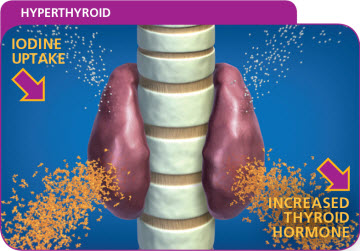
Hyperthyroidism is a common feline endocrine disorder, most often diagnosed in older cats over age 10. Left untreated, hyperthyroidism can have serious, sometimes fatal, consequences on vital organs like the heart and kidneys. The good news is, this disease is highly manageable and can be controlled with proper veterinary care.
If your cat has hyperthyroidism, her thyroid gland will be enlarged and produce excessive amounts of thyroid hormone. Left untreated, hyperthyroidism can have serious, sometimes fatal, consequences on vital organs like the heart and kidneys. The good news is, this disease i,s highly manageable and can be controlled with proper veterinary care.
Warning Signs and Symptoms of Feline Hyperthyroidism
Signs of hyperthyroidism can vary in severity depending on how long a cat has been ill. If your cat exhibits any of the following signs, contact your veterinarian immediately:
- Weight loss
- Increased appetite
- Diarrhea and/or vomiting
- Increased thirst
- Poor skin and coat condition
- Hyperactivity
Cats with chronic kidney disease and diabetes mellitus exhibit some signs similar to hyperthyroidism. Your veterinarian may also need to perform tests for these diseases to ensure an accurate diagnosis. If your cat has hyperthyroidism, her thyroid gland will be enlarged and produce excessive amounts of thyroid hormone.
Managing hyperthyroidism
Four potential options for managing cats with hyperthyroidism are:
- Daily nutrition: limiting dietary iodine intake reduces thyroid hormone production
- Daily medication: anti-thyroid drugs inhibit the production of thyroid hormones
- Radioactive iodine therapy: radiation to treat abnormal thyroid tissue
- Surgery: removal of diseased thyroid tissue


Tasty Tips
Treatment: The importance of nutrition
The food your cat eats plays an important role in her overall health and well-being. Balanced nutrition is an essential part of an active, healthy lifestyle. For accurate diagnosis and treatment options, always consult your veterinarian and ask them to recommend the best food for your cat’s thyroid health.
Check out this video about how Prescription Diet cat food can help.
Thyroid Health Questions to Ask Your Veterinarian
- What does the thyroid gland do and how can it impact the health of my cat?
- What are the different therapy options if my cat has thyroid health problems?
- What factors do you consider before deciding the best way to manage this condition?
- What if my cat has other health issues? How will that affect your therapy recommendation?
- What are the pros and cons of surgery or radioactive iodine therapy?
- How will any potential complications be managed?
- Where will the surgery or radioactive iodine therapy be performed?
- How long before I can bring my cat home?
- What do I need to know when I do bring my cat home?
- Is there a chance the thyroid health problem will come back after either of these procedures?
- If anti-thyroid medication is recommended, how often will I have to medicate my cat?
- What is the best way to administer the medication?
- How long will my cat have to take the medication?
- Are there potential side effects? How can these be managed?
- Can nutrition be used to manage thyroid health problems? Would you recommend a Hill’s® Prescription Diet® cat food for my cat’s thyroid health?
- How do I transition my cat from her current food to the Prescription Diet® cat food?
- Will I have to feed this food for the rest of my cat’s life?
- Can I still give my cat treats? How will other medications or supplements affect the effectiveness of the nutrition?
- Can my other cats eat this food? How do I make sure each of my cats eat the right food?
- How often will I need to bring my cat back to the clinic for check-ups?
- What kinds of things will you be monitoring during these recheck appointments?
- What is the best way to reach you or your hospital if I have any follow-up questions?
- Ask if you need a follow-up appointment
- Ask if a reminder email or notice will be sent

Put your cat on a diet without them knowing
Our low calorie formula helps you control your cat's weight. It's packed with high-quality protein for building lean muscles, and made with purposeful ingredients for a flavorful, nutritious meal. Clinically proven antioxidants, Vitamin C+E, help promote a healthy immune system.